Scientific activity is built upon the pillars of precision, safety, and methodology. Laboratory instruments are an extension of these principles, serving as essential tools for conducting experiments, diagnostics, and industrial development. Understanding the functions of laboratory instruments is fundamental to ensuring reliable results and avoiding errors or accidents.
This guide presents a detailed and functional classification of the materials and instruments that make up the essential equipment of a laboratory, based on the category structure found on the Pobel website. Throughout the article, we explain their purposes, how to use them, and their main advantages.
Classification of Laboratory Instruments According to Pobel’s Categories
To facilitate understanding and align with the Pobel product catalog, laboratory instruments can be classified into five main categories:
Essential Functions and Detailed Uses of Laboratory Instruments
Custom fabrication
This category includes custom-made glass components to meet specific laboratory needs. They are ideal for tailored configurations, complex equipment, or unique applications.
Laboratory Distillers
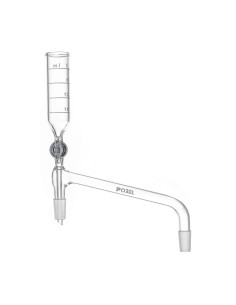
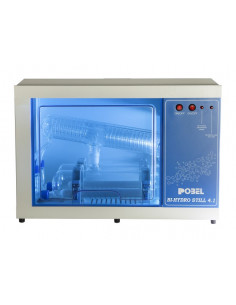
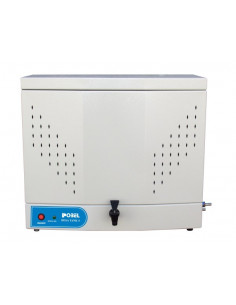
Pobel offers various types of distillers for water and liquid purification:
- Glass distillers: ideal for obtaining high-purity distilled water in small to medium quantities.
- Metal distillers: robust and resistant, suitable for frequent or industrial use.
- Automatic distillers: allow continuous distillation with automated process control.
- Distiller accessories: filters, connectors, tubes, and other parts needed to maintain optimal equipment function.
Liquid Handling
This category includes essential tools for the transfer and precise dispensing of liquids:
- Dispensers: extract precise volumes directly from bottles; ideal for reagents.
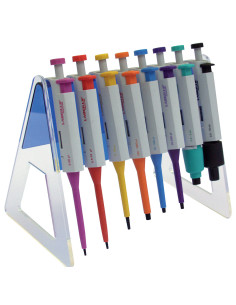
- Micropipettes: high-precision tools for microliter-range transfers, common in molecular biology.
- Pipettes: traditional instruments for accurately transferring liquids.
- Burettes: indispensable for titrations, allow dropwise delivery.
- Electronic pipette controllers: facilitate the use of pipettes, especially in repetitive or high-volume tasks.
Volumetric Material
Materials designed for accurate volume measurement. Includes:
- Laboratory pipettes: provide high precision for liquid measurement.
- Volumetric flasks: designed to prepare solutions of known concentrations.
- Graduated cylinders: allow for quick and safe volume measurement.
- Wine flasks: used in oenology for analysis and quality control.
- Gasoline flasks: employed in physicochemical analysis of fuels.
- Burettes: again highlighted for their role in precise titration processes.
General Use
This category includes a wide range of common laboratory instruments:
- Adapters: glass connectors that allow assembly of different components.
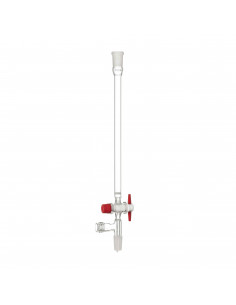
- Laboratory columns: used for chromatography or purification processes.
- Beakers: cylindrical containers used to mix, heat, or dissolve substances.
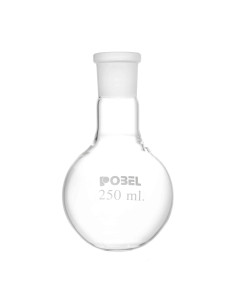
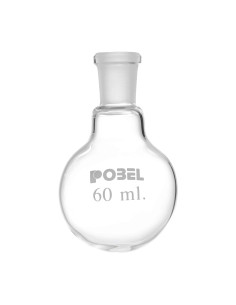
- Flasks: available in various shapes and volumes for reactions and mixtures.
- Desiccators: preserve samples that are sensitive to humidity.
- Condensers: condense vapors in distillation systems.
- Extractors: like the Soxhlet, ideal for compound extraction.
- Funnels: for transferring and filtering liquids.
- Separatory funnels and charge funnels: separate immiscible liquids.
- Filtration materials: Büchner funnels, Kitasato flasks, etc.
- Bottles and vials: used for liquid storage and transport.
- Vacuum: compatible with vacuum or inert atmospheres.
- Laboratory tubes: test tubes, centrifuge tubes, and more.
- Laboratory reactors: vessels designed for controlled chemical reactions.
- Stoppers and seals: for airtight sealing of flasks, tubes, and bottles.
- Measuring devices and instruments: more complex systems for specialized measurements.
- Gas collectors: collect gases generated in reactions.
- Metal supports and clamps: structures and accessories for assembling equipment.
- Chromatography: columns and tools for mixture separation.
- Gas bubblers: bubble agitation for liquids.
- Miscellaneous: other accessories that do not fit into the above categories.
The Importance of Quality and Maintenance of Laboratory Instruments
Choosing the right instruments and maintaining them properly ensures not only measurement accuracy but also material longevity and operator safety.
Practical Tips:
- Clean immediately after each use.
- Sterilize periodically using autoclaves or chemical agents.
- Calibrate regularly all burettes, pipettes, and volumetric instruments.
- Store properly, avoiding extreme temperatures and humidity.
Pobel offers high-quality solutions, durable materials (like borosilicate glass), and designs suited to the most demanding professional environments.
Frequently Asked Questions About Laboratory Instruments
What is the difference between glass and plastic laboratory materials?
Glass withstands high temperatures and chemical agents, making it ideal for reactions. Plastic is lighter, less fragile, and more suitable for general handling and storage.
How are laboratory instruments cleaned and sterilized?
With neutral detergent and distilled water. Depending on the material, sterilization is done via autoclave or dry heat.
What should be considered when choosing a magnetic stirrer?
Volume capacity, heating needs, and stirring speed. Pobel offers models tailored to a variety of lab requirements.
How often should I calibrate my measuring instruments?
It depends on usage, but calibration is generally recommended every 3 to 6 months or after intensive use.