


Your cart
There are no more items in your cart

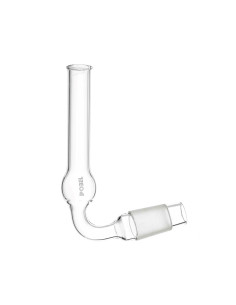
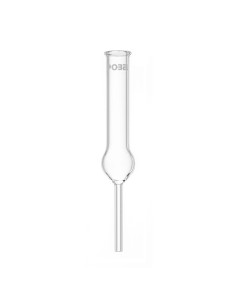
Moisture control is essential in many analytical processes and sample preservation methods. Desiccator tubes, also known as drying tubes, help keep moisture-sensitive substances dry during storage, transportation, or specific laboratory procedures.
At Pobel, we offer a professional selection of laboratory tubes made from resistant materials and compatible with common desiccants. Designed to ensure a dry and stable atmosphere, they are ideal for applications requiring anhydrous conditions or protection from ambient humidity.
Drying tubes are sealable containers that hold desiccants (such as silica gel, calcium chloride, or molecular sieves) alongside the substance to be protected from moisture. Their design may include separate chambers, screw caps, or connections to other devices via ground glass joints.
These tubes are used in environments where even small amounts of water can affect the stability, reactivity, or measurement of a substance.
Preservation of hygroscopic samples
Protection of water-sensitive reagents
Slow, controlled drying of solids
Transport of anhydrous compounds
Pre-conditioning for precise analytical weighing
At Pobel, we offer various configurations to suit your specific needs:
Made of high-quality borosilicate glass
Available with straight or conical ends for connection to other devices
Suitable for inert atmospheres or vacuum-line operations
Made of durable plastic (polyethylene or polypropylene)
Airtight caps to prevent moisture ingress
Models with internal compartments for desiccants
Designed to dry gases before use in sensitive reactions
Equipped with fittings for glass tubing or hoses
Compatible with reusable desiccants
High Airtightness: Secure seals to prevent ambient humidity from entering
Durable Materials: Resistant to chemical agents and lab conditions
Desiccant Compatibility: Designed for use with the most common drying agents
Clear Visibility: Transparent models allow easy monitoring of desiccant condition
✔️ High-quality, durable materials
✔️ Compatible with professional laboratory practices
✔️ Personalized technical advice for each application
At Pobel, we understand that in chemical, pharmaceutical, or analytical applications, moisture control isn’t optional—it’s a critical requirement. That’s why we offer targeted solutions to protect your samples, preserve reagent stability, and ensure precision in your processes.
Use clean, dry gloves when handling tubes to prevent contamination
Replace the desiccant according to manufacturer instructions or when saturated
Store tubes sealed in a dry, temperature-controlled environment
Avoid direct heat sources that may deform plastic parts or affect contents
If you need help selecting the right tube for gas drying, solid protection, or maintaining specific anhydrous conditions, our technical team is ready to assist. Contact us for personalized advice and a no-obligation quote.
What is a drying tube used for?
A drying tube is a device that dries or purifies gas in chemical experiments. Typically, it has connection ports at both ends for tubing, and the middle section is filled with a solid desiccant or impurity-removing agent.
How many types of drying methods are there?
The most common are sun drying, hot air drying, contact drying, infrared drying, freeze drying, fluid bed drying, and dielectric drying.
 Quick delivery
 High quality
 Safe payment